Self-Driven Growth OS™

Run global B2B marketing in-house
with AI, CRM, and BI

We connect market understanding, content operations, CRM nurturing, AI automation, analytics and BI, and governance, so that instead of depending on vendors, knowledge, data, and the record of what worked stay inside the company.

Six layers, from market understanding through to improvement in BI

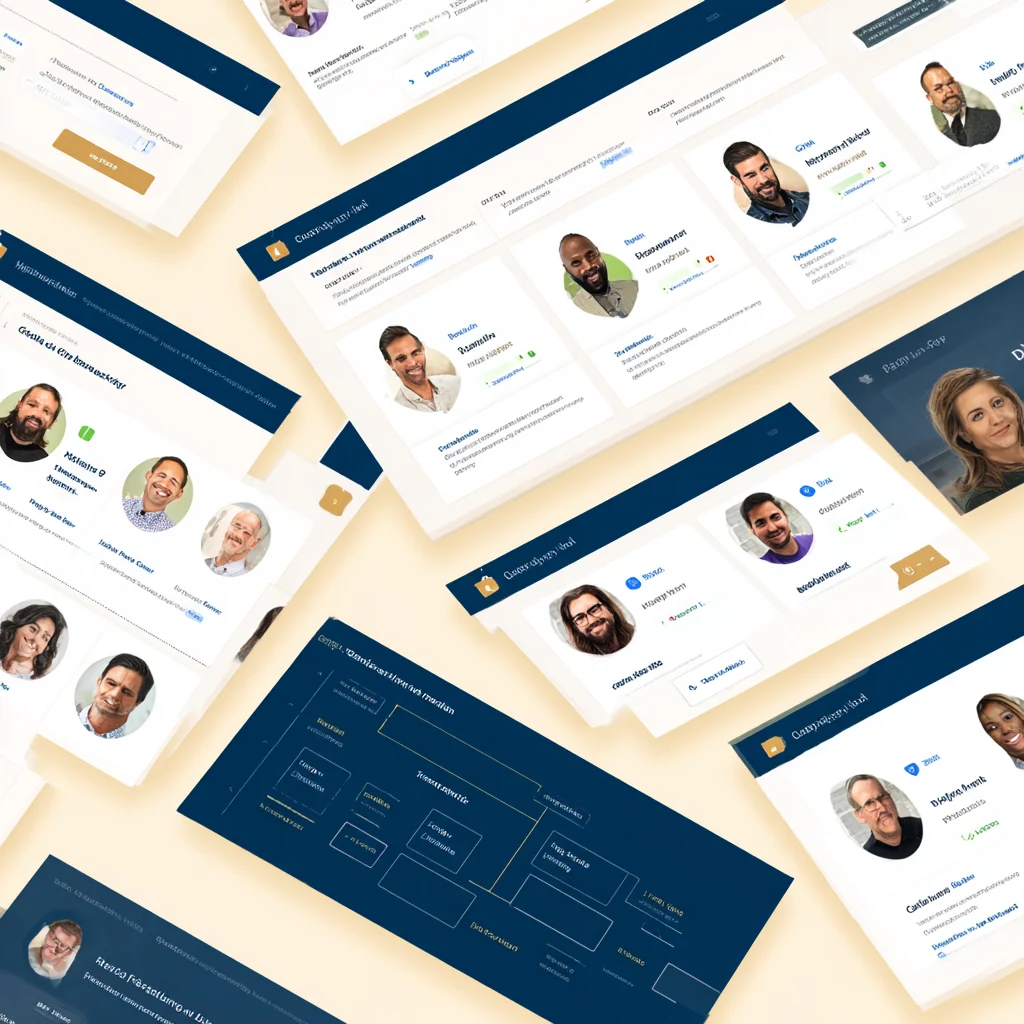
Six layers connecting in-house operation and improvement
Running the website, content, social, CRM, AI automation, and analytics separately does not turn global B2B marketing into an asset. Self-Driven Growth OS™ connects six layers so you can keep publishing, capturing, nurturing, and improving in-house.
Layer 1 市場理解:競合監視・市場データを社内に蓄積する海外B2Bマーケティング画面
Intelligence
Collect competitor, market, and search trends. Using Google Alerts, Search Console, and similar sources, you see what to publish next and how the market is shifting.
Layer 2 コンテンツ運用:SEO・AEO対応コンテンツを社内で配信するマーケティング画面
Content
Produce articles, social posts, and white papers. AI drafts the articles, social posts, email copy, and white papers; people edit and check them.
Layer 3 CRM・リード育成:HubSpotで海外B2B見込み客を継続育成する画面
CRM
Manage and nurture leads in HubSpot. Forms, document downloads, email sequences, and lead scoring are designed so prospects reach sales.
Layer 4 AI自動化:AIエージェントで反復業務を自動化する海外B2Bマーケティング画面
Automate
Run the repetitive work through AI workflows. Competitor monitoring, content distribution, social drafts, reporting, and lead classification handled by AI and automation.
Layer 5 分析・改善:GA4・Looker Studioで海外B2Bマーケティング成果を数字化
Optimize
Surface results in analytics and BI Using GA4, Search Console, HubSpot, and Looker/BI, you keep improving whatever leads to enquiries, downloads, and meetings.

Layer 1 Intelligence: build competitor monitoring and market data in-house

Market understanding / Decide what to publish from data, not instinct.

In global B2B marketing, writing an article straight away does not produce results. What you need first is to know which market, who is in it, what they struggle with, and how competitors are speaking to them. Self-Driven Growth OS™ collects competitor sites, industry news, search trends, and customer problems continuously, and sorts out what to publish next. With market understanding turned into a system, content stops being whatever comes to mind and becomes publishing aimed at winning leads abroad.
Step 1 

Collect competitor and market information

Using competitor sites, industry news, international media, Google Alerts, and similar sources, we keep track of what is being said in the target market. Not one-off research, but a monitoring system that follows the changes.
Step 2

Sort out search trends and customer problems

From Search Console, keyword research, related searches, and the enquiries you receive, we work out the words prospects use to describe their problem. We judge not only search demand, but the fit with your services and whether sales can use it.
Step 3

Put publishing themes in priority order

Using the market information, the competitor picture, search trends, and your own strengths, we put the next articles, white papers, and social posts in priority order. What to produce is not decided by instinct. It goes into an editorial calendar
Deliverables:
Included: • Competitor and market monitoring list • Search trend summary • Customer problem and keyword map • Candidate topics to publish • Editorial calendar • Content priority scores
How it is delivered : this layer is mainly built out in Package 2 (strategy design), Package 4 (automation), and Package 5 (ongoing improvement).
Next, content operations.
Once the market, the competitors, and the search trends are visible, the next step is turning them into articles, social posts, white papers, and email copy. Layer 2 builds the system for producing and editing content for global B2B continuously, with AI in the loop.

Layer 2 Content: publish SEO- and AEO-ready content in-house

Content operations / Turn market understanding into a publishing asset that lasts.

Understanding the market, the competitors, and the search trends does not win leads abroad unless you can turn it into steady publishing. Self-Driven Growth OS™ builds an operating flow where AI drafts articles, social posts, white papers, email copy, and sales material, and people edit and check it. What matters is not simply producing more content. It is being able to publish continuously in a way that matches your expertise, your competitive edge, and your brand tone, as an operating asset that stays with you.
Step 1 

Generate first drafts of articles, social posts, and email

Working from the topics set out in Layer 1, AI drafts articles, social posts, email copy, white papers, and sales material. Instead of starting from a blank page every time, you get a first draft aligned with the strategy, the keywords, and the audience in a short time.
Step 2

A person edits, checks the facts, and adjusts the brand tone

AI output is not published as it is. A person reviews the content. We check the facts, the expertise, whether the language reads naturally, the brand tone, and whether it is useful to the reader, and bring it to a quality that does not read as machine-made.
Step 3

Carry it into the website, social, and sales activity

Finished content goes out as Webflow CMS articles, LinkedIn posts, email, white papers, and sales proposals. One piece is not left as a one-off. It is reused across channels to create more points of contact with prospects.
Deliverables:
Included: • First drafts of articles • Social post drafts • White paper outlines • Email copy drafts • Drafts of sales material and proposals • Editing and quality checklist • Brand tone guide • Content reuse rules • Webflow CMS publishing flow • Editorial calendar updates
How it is delivered: this layer is mainly built out in Package 2 (content strategy), Package 3 (content base build), and Package 4 (distribution automation).
Next, CRM and lead nurturing.
Publishing content alone does not complete the marketing. What matters is taking prospects who read your articles or social posts through to a document download, an enquiry, an assessment form, or email nurturing. Layer 3 builds the system, centred on HubSpot, for capturing, classifying, and nurturing leads and connecting them to sales.

Layer 3 CRM: nurture prospects continuously in HubSpot

CRM and lead nurturing / Nurture prospects to the point where sales can take over.

Publishing content does not reach sales unless prospect behaviour accumulates in the CRM. Self-Driven Growth OS™ designs forms, document downloads, assessment content, email sequences, and lead scoring around HubSpot. You see who viewed which page, downloaded which document, and responded to which email, and the leads sales should prioritise become visible. What matters is not waiting for an enquiry. It is knowing how interested a prospect is, and creating the next point of contact at the right moment.
Step 1 

Design the paths to forms, downloads, and assessments

We design the path that takes prospects naturally from articles, service pages, white papers, and assessment content into a form. Not just an enquiry form: the fields are designed to reveal the problem, the area of interest, the company profile, and how far along the decision is, so sales has something to work with.
Step 2

Classify and nurture leads in HubSpot

Lead information collects in HubSpot and is classified by industry, company size, topic of interest, form answers, document downloads, and email response. Through sequences and nurturing email, you keep a point of contact even with prospects who will not become a meeting soon.
Step 3

Surface sales priority and the next action

From page views, document downloads, email clicks, assessment results, and company profile, we sort out which leads sales should take first. The salesperson can see who to approach, about what, and with which message.
Deliverables:
Included: • HubSpot initial design • Form field design • Document download path • Assessment content path • Lead classification rules • Email sequence design • Lead scoring design • Sales notification rules • Draft outreach email copy • Sales action recommendation flow
How it is delivered: this layer is mainly built out in Package 3 (CRM and lead path build) and Package 5 (ongoing improvement).
Next, automation.
Once lead information is accumulating in the CRM, the next need is to take the friction out of the work that keeps recurring. First response to enquiries, lead classification, email sending, social posting, competitor monitoring, monthly reporting. Doing all of it by hand every time is not something an in-house operation can sustain. Layer 4 builds the system for automating repetitive work safely, using AI agents and workflow automation.

Layer 4 Automate: put repetitive work in the hands of AI agents

Automation / Put repetitive work into AI workflows so people can focus on judgment and improvement.

Once you try to run marketing in-house, the recurring work piles up: competitor research, article outlines, social posts, email sending, lead classification, monthly reports. Self-Driven Growth OS™ combines n8n, Google Apps Script, HubSpot, and AI APIs to turn that repetitive work into workflows. That does not mean handing everything to AI. Before anything is published, sent, or acted on by sales, human review and approval sit in the path. The point of automation is not fewer people. It is freeing people to spend their time on strategy, quality, customer understanding, and improvement decisions.
Step 1 

Take stock of the repetitive work

We lay out the work currently done by hand every time: competitor monitoring, article outlines, social drafts, email copy, lead classification, monthly reporting. Then we separate what AI handles, what a person checks, and what a person has to decide.
Step 2

Build the AI workflows

Using n8n, Google Apps Script, HubSpot, and AI APIs, we automate collection, drafting, classification, notification, and report generation. Not automation inside a single tool, but a workflow that connects web, CRM, social, email, and analytics.
Step 3

Build a human approval step into the path

Articles, social posts, email, images, and sales messages may be generated automatically, but they are not published or sent as they are. Using Slack, HubSpot, and similar tools, review, revision, and approval are built into the path so the operation stays safe.
Deliverables:
Included: • Inventory of work to automate • AI workflow design document • n8n / Google Apps Script workflows • HubSpot integration flow • Automated competitor monitoring • Social post generation flow • Email copy generation flow • Lead classification and notification flow • Automated monthly reporting flow • Slack approval flow • Operating manual
How it is delivered: this layer is mainly built in Package 4 (AI agent operations), and improved in Package 5 as needed.
Next, improvement.
Automation raises the speed of publishing and lead handling. But moving fast alone does not produce results. What matters is confirming which articles, which social posts, which emails, and which white papers are leading to enquiries, downloads, and meetings. Layer 5 builds the system for surfacing results with GA4, Search Console, HubSpot, and Looker/BI, and feeding them into the next decision.

Layer 5 Optimize: turn decisions into numbers with GA4 and Looker Studio

Improvement / Surface the results and feed them into what you do next.

You can produce content, distribute it on social, and capture leads, but without seeing what is producing results, you cannot improve. Self-Driven Growth OS™ uses GA4, Search Console, HubSpot, social, email, and Looker/BI to surface the results of articles, social posts, white papers, email, and CRM paths. What you look at is not page views and clicks alone. Which content led to an enquiry. Which document contributed to a lead. Which email opened the door to a meeting. Working from that data, we make clear what content to produce next, which paths to improve, and which leads sales should take first.
Step 1 

Bring the results data together

We review GA4, Search Console, HubSpot, social, and email data, and lay out the results for articles, landing pages, document downloads, forms, email, and social posts. Not traffic alone, but the data that leads to enquiries, downloads, email response, lead quality, and meetings.
Step 2

Identify what needs work

We identify what needs work: articles with impressions but no clicks, pages with traffic but no enquiries, emails opened but never clicked. Titles, CTAs, paths, content structure, email copy, and sales messaging are revisited on the numbers rather than on instinct.
Step 3

Feed it into next month's plan

From the analysis, we set out which articles to write next, which content to rewrite, which white papers to strengthen, which emails to improve, and which leads sales should prioritise. Through the monthly Analytics Report and Growth Review, the marketing keeps improving.
Deliverables:
Included: • Monthly Analytics Report • GA4 / Search Console review • HubSpot CRM review • Social and email performance analysis • Performance by article and by path • Download and enquiry analysis • Lead quality analysis • Content ROI analysis • Rewrite candidate list • Editorial calendar for the next month • Priority lead list for sales • Growth Review report
How it is delivered: this layer runs and improves continuously under Package 5 (Analytics & Growth Optimization).
Finally, governance.
The more you connect AI, CRM, and BI, the more the design of information handling, approval, and responsibility matters. Who reviews AI output? What information may go into AI? Who approves publishing and sending? Which data may feed BI? The next section designs the AI governance that keeps the whole Self-Driven Growth OS™ running safely.

AI governance running through every layer: the base for bringing AI in-house safely

AI governance / Because you use AI, human judgment is built into the path.

Articles, social posts, email, images, sales messages, and reports may be produced with AI, but human review and approval sit in the path before anything is published, sent, or acted on by sales. We also make clear how far customer data, personal data, and confidential information may go into AI, which data may feed BI, and who makes the final call. The rules for using AI safely are not bolted on afterwards. They are built into the operating base from the start.
Step 1 

Design the human approval flow

We build a system where articles, social posts, email, images, and sales messages generated by AI are not published or sent as they are. Who reviews, who revises, and who gives final approval is made explicit, so AI can be used safely as an assistant.
Step 2

Define what information may be entered

We make explicit what must never go into AI: customer data, personal data, contract information, sales information, internal confidential material. Before the AI tools are in use, the Data Boundary is designed and the rules are set out so staff can operate safely without guessing.
Step 3

Keep a record of generation, review, and approval

We design an operation that records what AI generated, who reviewed it, what was changed, and who approved it. Keeping that log makes quality control, lines of responsibility, and the record of improvement visible.
Deliverables:
Included: • Internal AI usage rules • Review and approval flow for AI output • Data Boundary design • List of information that must not be entered • Pre-publication checklist • AI content quality checklist • Generation, review, and approval log design • Risk response flow • AI usage guidelines for staff • Policy for linking to the AI Transparency page
How it is delivered: this foundation starts from Package 1-2 (AI governance review) and is built into every layer.
Next, the proof on ourselves.
Self-Driven Growth OS™ is not a framework that only exists on paper. Japan Consulting has been bringing its own site, content, SEO design, AI generation, social distribution, GA4 and Search Console, HubSpot, and the BI improvement loop in-house, stage by stage.
Questions
Frequently asked questions about Self-Driven Growth OS™
Q1. Can we adopt it if we already have a website and a CRM?
Yes. We look at your existing environment — website, WordPress, Webflow, HubSpot, Salesforce, Google Analytics, Search Console — and design or improve only the parts that need it. Starting over from scratch is not the assumption.
Q4. What kind of work can be automated?
The recurring work: competitor monitoring, article outlines, social drafts, email copy, lead classification, monthly reporting. The aim of automation is not to replace people, but to give your team time for strategy, quality, and improvement decisions.
Q2. Do we have to use HubSpot and Webflow?
No. HubSpot and Webflow are strong options, but we decide based on your existing environment and how your team works. What matters is not adopting a particular tool, but building an operating base where web, CRM, content, and analytics connect.
Q5. What do you look at in analytics and BI?
We review GA4, Search Console, HubSpot, social, and email data, and look at which articles, social posts, white papers, and emails lead to enquiries and meetings. Not page views and clicks alone, but the measures that lead to leads, downloads, and meetings.
Q3. Does AI publish articles and social posts on its own?
No. Publishing AI output automatically is not the assumption. Articles, social posts, email, images, and sales messages are designed to go out only after a person has reviewed, revised, and approved them.
Q6. Does it work for the Japanese market as well as global?
Yes. The main focus is global B2B marketing, but the structure of web, CRM, content, AI automation, and analytics applies to marketing in the Japanese market too. We start from the global work and, where useful, support integration with your domestic marketing base.
Still have a question?
Start with one question.
Tell us what you are trying to decide — a supplier you need assessed, or marketing you are trying to bring in-house. You get a written reply within one business day, at no cost and no obligation.